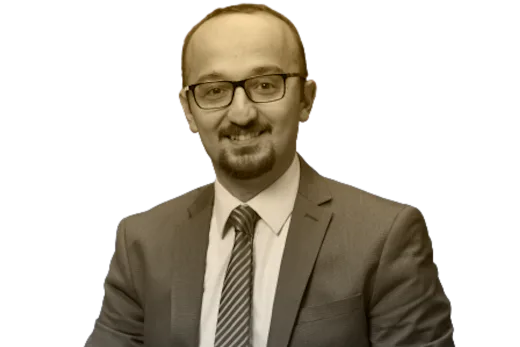
Joaquin Singer is a leader in business transformation with over 16 years of hands-on experience, most recently specialising in HR. His expertise lies in assessing, designing, and implementing change and technology solutions for large-scale enterprises.
Despite his busy schedule, Joaquin graciously agreed to share his insights with us in an exclusive interview for Transformation Journeys.
We spoke with Joaquin about the realities of delivering HR transformation programmes, from managing large-scale change initiatives to measuring success and navigating resistance within organisations.
Role and Responsibilities in Business Transformation
Can you tell us about your role and responsibilities in business transformation initiatives?
“I help organisations design and deliver their HR transformation programmes, starting with developing the business case and moving through to the design and implementation of both business and technology solutions.
My role often extends beyond HR itself, ensuring that the transformation integrates effectively with wider business change programmes. At its core, my responsibility is managing the programme delivery, ensuring that outputs align with the intended business outcomes and strategic objectives.
I’m accountable to the business for the overall delivery of the programme and typically work closely with system integrators where technology platforms are involved.”
Addressing Resistance to Change
How do you address resistance to change within organisations?
“The key to any successful transformation programme is building a compelling and relatable story that resonates with everyone involved.
Leadership teams are often ready to embark on the transformation journey, but it is important to recognise that change can feel very different to employees across the organisation. While most people understand the need for change, the challenge often comes from the additional workload and disruption to day-to-day operations.
One of the most important steps is mapping stakeholders. Identifying individuals who are supportive of the change, or who will directly benefit from it, can make a significant difference.
These stakeholders become key partners in communicating the message and driving adoption across the organisation. They can also act as early adopters or pilot groups. If the first phase of change is successful with them, it creates early wins that make it much easier to bring the wider business on board.”
Measuring the Success of Transformation
How do you measure the success of transformation programmes?
“Both lead and lag indicators are essential when assessing the success of transformation initiatives.
In HR, for example, there are clear points across the employee lifecycle that can be measured. Lead indicators might include metrics such as the time taken to move candidates through recruitment stages, from CV submission through to onboarding. Tracking these indicators allows organisations to benchmark performance and identify areas of improvement.
Lag indicators tend to measure longer-term outcomes. These might include changes in employee engagement, sentiment, or retention. For example, if a company introduces new employee benefits designed to improve retention, it may take a year or more before meaningful year-on-year comparisons can be made.”
Innovation in HR Technology
Where do you see the most innovation happening in HR technology?
“One area that stands out is the integration of AI technologies. That’s probably the answer most people would give today, but it is genuinely where much of the innovation is happening.
The current focus is on automating repetitive processes and tasks that traditionally required significant manual intervention. While the technology is still relatively early in its development from an industry perspective, the potential for growth and evolution is enormous.”
Advice for Future Transformation Leaders
What advice would you give to people starting their careers in transformation?
“A mentor once told me something 15 years ago that has stayed with me ever since: a career is more like a marathon than a sprint.
Now I should admit that marathons are definitely more suited to people who actually run them. Even a 10K feels like a serious challenge for me! But the principle behind the advice is still very relevant.
Success in transformation is not about quick wins. It’s about consistency, patience, and maintaining momentum over the long term. Rushing things might deliver short-term results, but sustainable progress comes from pacing yourself and continuing to build experience over time.”
Conclusion
As our conversation with Joaquin comes to a close, it is clear that his perspective reflects the realities of modern transformation programmes.
From stakeholder engagement to long-term value measurement, his insights highlight the importance of combining strategy, technology, and people to deliver lasting change.